
A Future Built on Inclusion, Neurodiversity, and Authentic Connection
Article authored by the ISPC
Counselling in the UK is at a turning point. After decades shaped by rigid diagnostic models, standardised interventions, and an often unspoken assumption of neurotypicality, the profession is beginning to transform. Driven by lived experience, social justice movements, and a growing understanding of human diversity, the counselling of the future is becoming more flexible, inclusive, and deeply human.
This evolution isn’t just about new techniques—it’s about a fundamental shift in who therapy is for, how it’s delivered, and whose voices shape it. Here’s what the shape of counselling to come looks like.
Neurodiversity as the Norm—Not the Exception
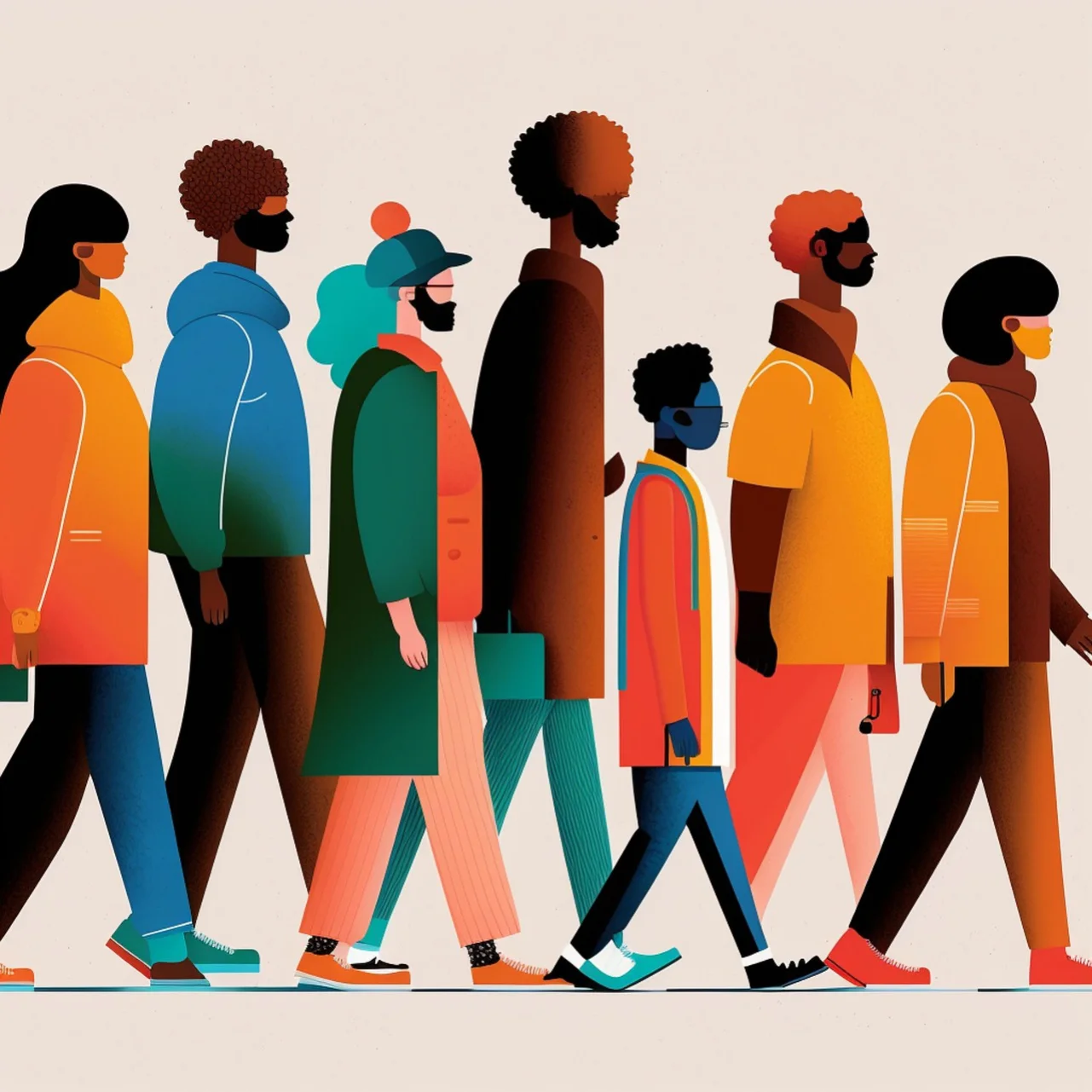
Gone are the days when autism, ADHD, or sensory processing differences were seen solely through a deficit lens. The future of counselling recognises neurodiversity as a natural part of human variation—akin to diversity in gender, culture, or physical ability.
Therapists are moving away from “managing symptoms” and toward creating neuro-affirming spaces where masking isn’t required, communication styles are honoured, and special interests are celebrated. Sessions may include movement, minimal eye contact, written reflections, or breaks—designed around the client’s nervous system, not the therapist’s expectations.
Crucially, more neurodivergent therapists are entering the field, bringing lived insight and challenging outdated practices from within. This isn’t just inclusion—it’s leadership.
Trauma-Informed as Standard Practice
The understanding that trauma lives in the body—and shows up in relationships, regulation, and self-worth—is no longer niche. It’s becoming foundational.
Future counselling assumes that many clients carry unseen wounds: from childhood adversity, systemic discrimination, medical trauma, or the chronic stress of living in a world that wasn’t built for them. Rather than asking “What’s wrong with you?”, therapists will increasingly ask, “What happened to you?”—and respond with safety, pacing, and co-regulation.
This approach is especially vital for neurodivergent, LGBTQIA+, and multiply marginalised clients, for whom “standard” care has often caused further harm.o-create therapeutic spaces that honour each client’s neurology, identity, and autonomy.
Access Redefined:
From Digital Liberation to Sensory-Safe Spaces
The pandemic didn’t just normalise online therapy—it revealed a truth many clients had long known: therapy doesn’t need to happen in a beige room with uncomfortable chairs and forced small talk to be effective. In fact, for many—especially neurodivergent, disabled, rural, or socially anxious individuals—the traditional therapy setting has been a barrier, not a bridge.
The future of counselling is truly accessible, built on the principle that support should adapt to the client, not the other way around. This means a seamless hybrid model that honours individual needs:
- Secure online video sessions via platforms like Zoom, offering privacy, convenience, and continuity—critical for those managing chronic illness, sensory sensitivities, or unpredictable energy levels.
- Telephone counselling as a lower-stimulation alternative, ideal for clients who find video visually overwhelming or emotionally taxing.
- In-person sessions, thoughtfully designed in welcoming, low-sensory environments where face-to-face connection can combat isolation without sacrificing comfort.
In Lincolnshire or Norfolk—a county with limited public transport, sparse mental health services, and long distances between towns—online therapy isn’t a second-best option. It’s liberation. It means a client in Spilsby can access specialist neurodivergent support without a two-hour round trip. It means a parent in Buxton Derbyshire can attend a session during a child’s nap. It means continuity of care, regardless of weather, mobility, or bus timetables.
Equally important is the physical environment. Urban and rural practices alike are reimagining their spaces:
- No waiting rooms (or private, quiet alternatives) to avoid sensory overload and social pressure
- Dimmable lighting, noise-reducing materials, and fidget-friendly seating
- Clear visual cues about session start/end times to reduce uncertainty
- Zero expectation of eye contact or “polite” conversation
True accessibility isn’t an add-on. It’s the foundation of ethical, modern counselling. And in the shape of therapy to come, how support is offered is just as healing as what is offered.
Intersectionality at the Core
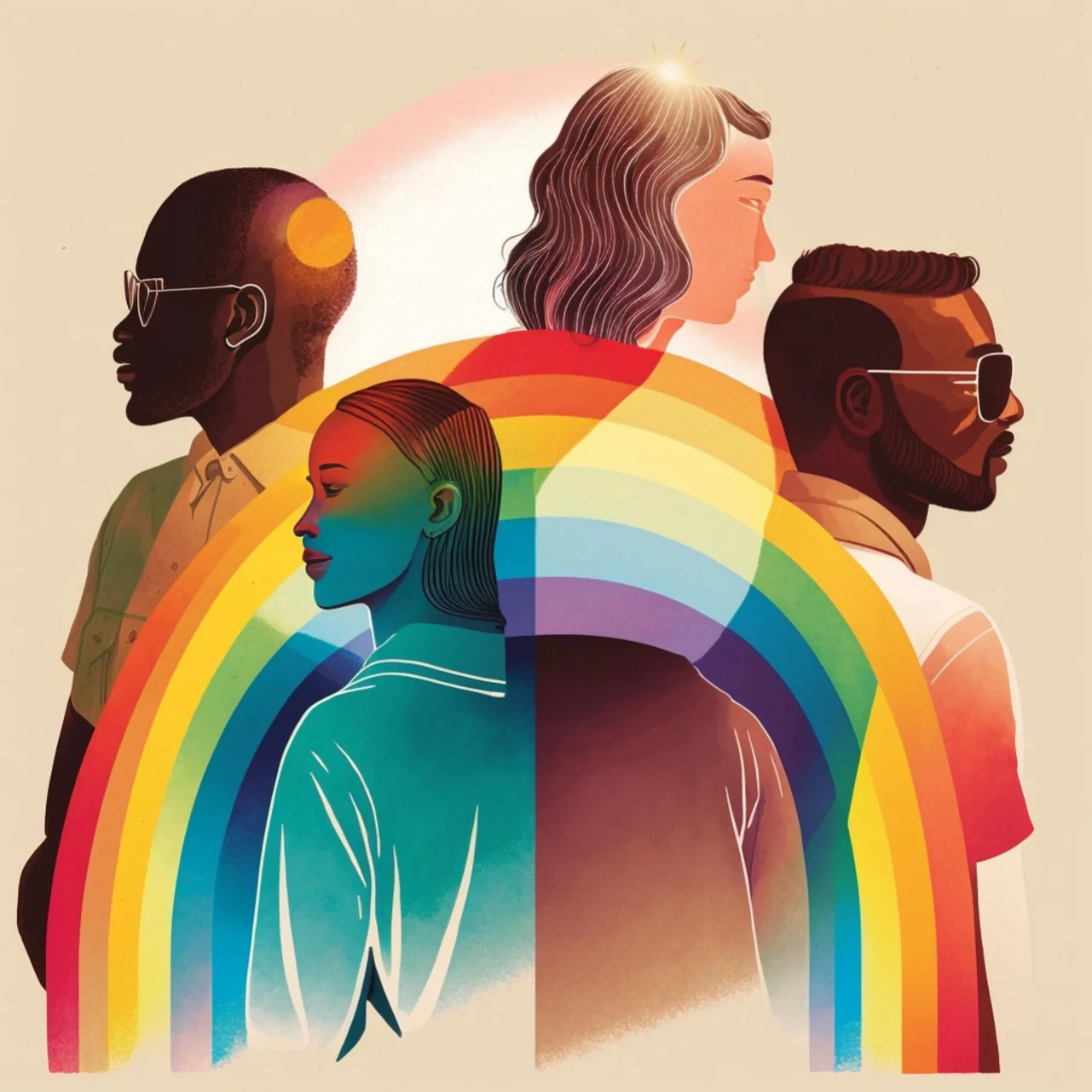
The counselling of the future doesn’t treat “anxiety” or “depression” in a vacuum. It recognises that identity is layered: being autistic and queer, ADHD and from a South Asian background, or neurodivergent and living with chronic pain creates unique experiences that demand nuanced understanding.
Therapists are being called to examine their own biases, deepen cultural humility, and move beyond “competence” toward collaborative curiosity. Supervision, training, and peer networks are increasingly centring voices from the margins—because lived experience is expertise.
From Diagnosis to Self-Definition
More adults are self-identifying as neurodivergent—often after years of misdiagnosis, invalidation, or simply never fitting the clinical criteria (especially women, non-binary people, and those from marginalised ethnic groups). The future of counselling respects self-knowledge as valid, even without a formal label.
Therapy becomes a space not to “prove” neurodivergence, but to explore its impact: the relief of understanding, the grief of lost time, the joy of unmasking. Diagnosis may still matter for some—but it’s no longer the gatekeeper to support.
Community and Connection Over “Fixing”
The old model positioned the therapist as the expert who “heals” the broken client. The emerging model sees therapy as a collaborative journey—where healing happens through relationship, validation, and empowerment.
Peer support, community groups, and social prescribing are growing alongside one-to-one therapy. Because sometimes, what heals most isn’t a 50-minute session—but knowing you’re not alone.
Final Thoughts: A Profession Learning to Listen
The shape of counselling to come isn’t slicker or more clinical—it’s softer, braver, and more honest. It’s led by those who’ve been excluded, shaped by those who’ve been silenced, and built for the full spectrum of human experience.
For neurodivergent individuals, LGBTQIA+ people, trauma survivors, and anyone who’s ever felt “too much” or “not enough,” this shift offers real hope. Therapy is becoming a place not to shrink yourself—but to expand into who you’ve always been.
And that’s a future worth showing up for.
Further Resources for ISPC Members:
We encourage all ISPC members to consider contributing to ISPC News and sharing their unique perspectives and insights. Your contributions help build a valuable resource for the therapy and counselling community.
And lastly, we appreciate those that have already come forward with their ideas and writings, we are uploading these blogs over the next few weeks and months.
Kindest Regards
ISPC Team